When homeowners start planning a major remodel or custom home project, one of the biggest decisions is not just what they want to build, but how they want the entire process handled. That choice affects communication, budgeting, scheduling, design quality, and the overall experience from concept through construction.
At Grant Maury Construction, we use a design-build service approach because it creates a more unified process from the very beginning. Instead of separating design, planning, material selection, and construction into disconnected stages handled by different parties, design-build brings those elements together under one team. For homeowners, that usually means a clearer process, better coordination, and a finished result that feels more cohesive.
That difference becomes even more important when the project goes beyond surface-level updates. Kitchens, bathrooms, full home renovations, outdoor living remodels, and new home construction all involve overlapping decisions about layout, finishes, structural considerations, permit requirements, and construction logistics. When those decisions are handled through one coordinated process, the project tends to move more smoothly and with fewer disconnects.
What Design-Build Means in a Remodel Project
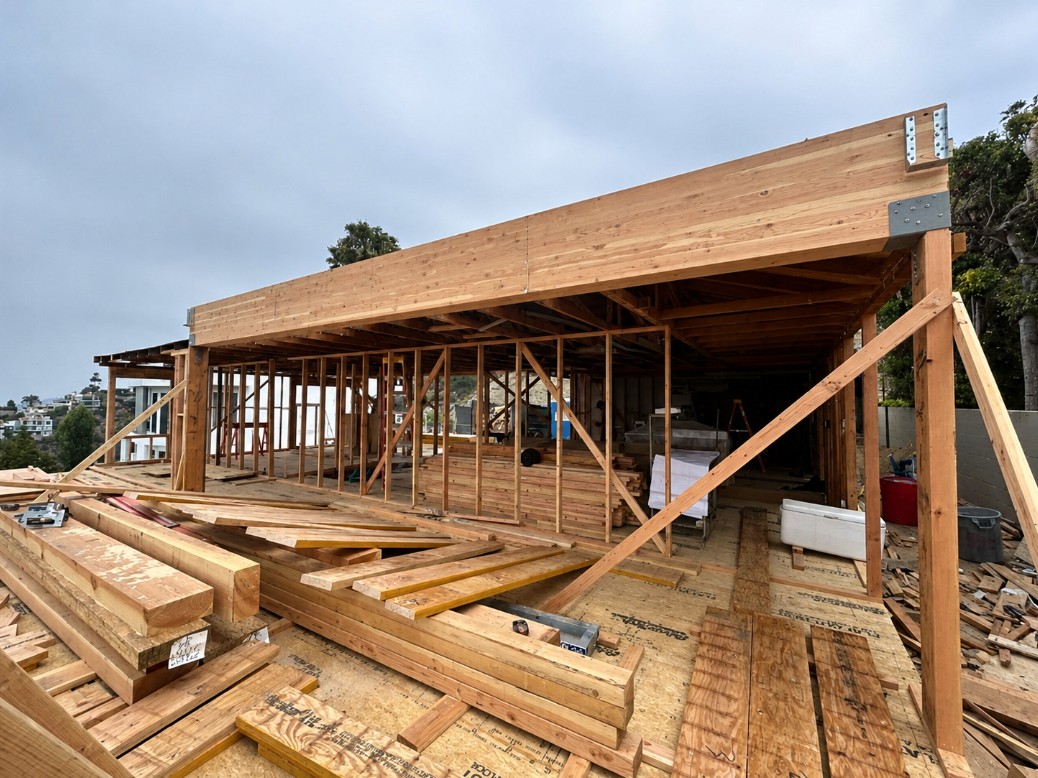
Design-build is more than a label; it is a project delivery method where design and construction are planned together rather than treated as separate efforts. Instead of designing first and then handing the project off to a contractor to interpret later, the same team helps guide the vision, refine the details, and carry the work through construction.
For homeowners, the practical benefit is straightforward. Layout planning, finish selections, construction feasibility, and budget direction can all be discussed in relation to one another early in the process. That makes it easier to make informed decisions before the project is underway, rather than trying to solve major questions in the middle of construction.
This is especially valuable in residential remodeling because most significant projects are interconnected. The placement of a vanity affects plumbing. The kitchen layout affects cabinetry and lighting. The design of an outdoor living area affects drainage, utilities, and how the space connects back to the home. A design-build process helps those decisions stay aligned.
Why Design-Build Is Often Better Than a Typical Contractor-Only Approach
A contractor can build well, but many contractor-led projects begin after major design decisions have already been made elsewhere or before enough planning has been done at all. That can lead to a reactive process where revisions, clarifications, and scope adjustments happen later than they should.
Design-build services help to avoid that by tying planning and execution together from the start. Instead of treating design as one phase and construction as another, the project is developed with both in mind from the beginning. That usually leads to better communication, more realistic budgeting, stronger schedule control, and fewer avoidable surprises.
For the homeowner, the benefits often include:
- fewer handoffs between separate professionals
- better alignment between the design and the actual build
- earlier visibility into materials, scope, and cost
- a more efficient decision-making process
- a finished result that feels more intentional
Those advantages matter in almost every major residential project, but they become especially clear when looking at individual service categories.
Why Design-Build Is Ideal for a Kitchen Remodel
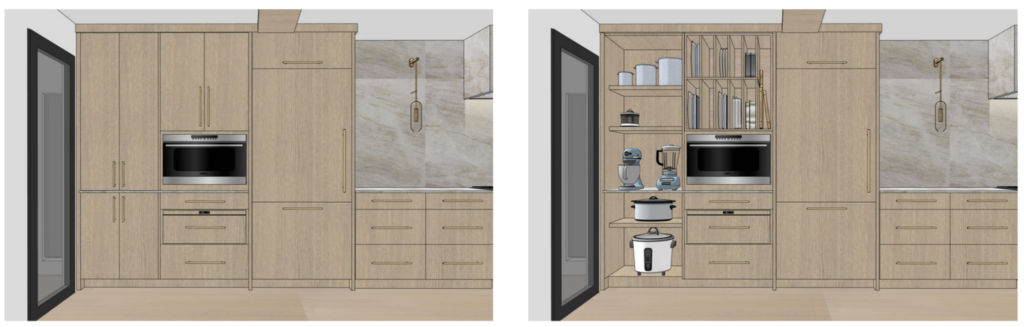
A kitchen remodel is one of the clearest examples of why design-build services work so well. Kitchens are highly detailed spaces where layout, cabinetry, appliances, lighting, plumbing, electrical planning, storage, and finishes all affect one another.
In a fragmented process, homeowners may approve a layout or design concept only to discover later that certain cabinetry changes, appliance requirements, or site conditions alter the plan. With design-build, those issues are considered earlier. The kitchen is designed with construction, installation, and daily function in mind from the start.
That makes design-build especially beneficial for kitchen remodeling because it helps ensure that:
- the layout works before cabinets and materials are finalized
- appliance, plumbing, and electrical coordination happens early
- storage planning supports how the kitchen will actually be used
- the finished kitchen feels cohesive rather than pieced together
A kitchen remodel should not just look good on paper. It should function well, be buildable within the home’s real conditions, and come together as one complete space.
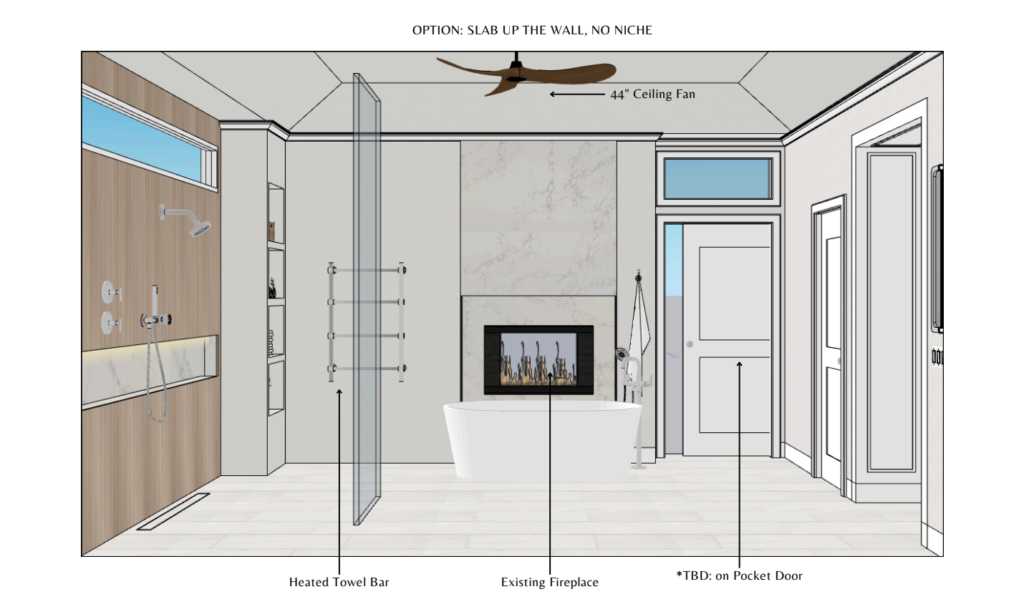
Why Design-Build Is Ideal for a Bathroom Remodel
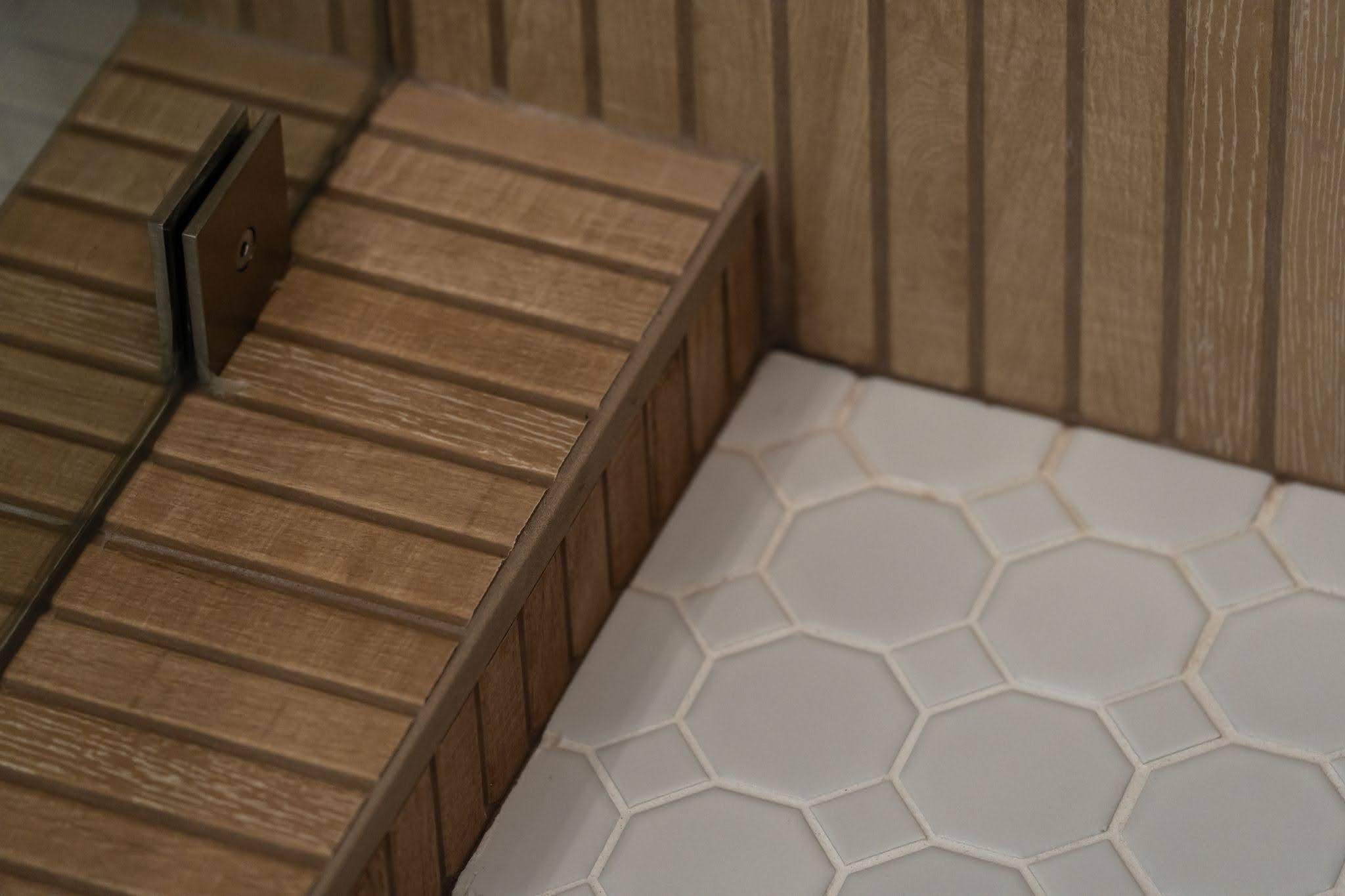
Bathrooms may be smaller than kitchens, but they are often just as complex. A bathroom remodel involves waterproofing, plumbing fixtures, tile planning, vanity design, lighting, ventilation, storage, and layout decisions in a compact footprint where every inch matters.
This is one of the strongest reasons design-build is so effective in bathroom remodeling. Small shifts in layout can affect shower size, circulation, storage potential, plumbing locations, and the comfort of the room overall. When those decisions are made as part of one coordinated process, the bathroom usually turns out better both visually and functionally.
Design-build is especially useful in bathroom remodels because it helps with:
- planning the shower, vanity, and toilet layout more effectively
- coordinating tile, fixtures, and lighting before construction begins
- avoiding fit issues and late design changes in a tight space
- creating a bathroom that feels intentional instead of improvised
Bathrooms leave very little room for indecision once construction starts. That is exactly why earlier coordination matters.
Why Design-Build Is Ideal for a Full Home Renovation
A full home renovation is where the value of design-build becomes even more obvious. Unlike a single-room remodel, a whole-home project affects multiple spaces, overlapping systems, and the way the house works as a whole.
This kind of project requires more than construction management. It requires a coordinated vision for layout, room-to-room flow, finish consistency, storage, lighting, architectural detail, and the practical sequencing needed to execute those changes well.
Design-build is often the better fit for full home renovation because it helps:
- maintain a clear overall vision across the house
- coordinate decisions between multiple rooms and phases
- reduce disconnects between design choices and construction reality
- create a home that feels intentionally reworked rather than partially updated
In a full home project, decisions in one room almost always affect another. A more integrated process helps those pieces stay connected.
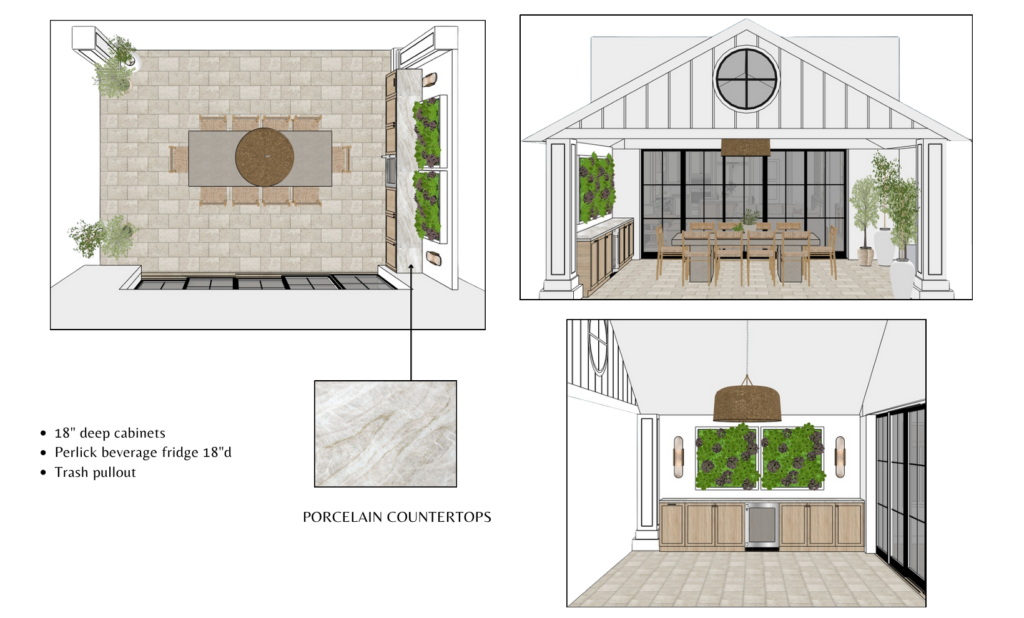
Why Design-Build Is Ideal for Outdoor Living Remodels
Outdoor living remodels are often more involved than homeowners initially expect. Patios, covered spaces, outdoor kitchens, fireplaces, seating areas, and entertainment zones all require more than basic construction. They involve layout design, grading, materials, drainage, utilities, lighting, and how the outdoor space connects back to the architecture of the home.
That is why design-build is often more effective than a contractor-only path for outdoor living projects. These are not just installations. They are extensions of the home, and they work best when they are planned with both lifestyle and construction in mind.
A design-build approach helps outdoor living remodels by:
- connecting the exterior layout to the home’s architecture
- coordinating materials and features before work begins
- improving planning for lighting, utilities, and drainage
- creating a finished space that feels integrated instead of added on
An outdoor remodel should feel like a natural continuation of the house, not a separate project with unrelated pieces.
Why Design-Build Is Ideal for New Home Construction
New home construction may be the most obvious fit for design-build, but it is also one of the most important. Building a home from the ground up involves hundreds of connected decisions, from floor plans and elevations to finishes, engineering, budgeting, permitting, and construction sequencing.
When those decisions are split across separate parties, homeowners can end up managing the space between concept and execution themselves. That often leads to more complexity, slower decision-making, and a greater risk of misalignment as the project evolves.
Design-build improves new home construction by:
- connecting the floor plan to real construction planning early
- keeping budget, materials, and scheduling tied to the design process
- simplifying communication during a long and complex project
- supporting a more cohesive result from the initial concept to the final finishes
A custom home should feel like one coordinated effort, not a series of handoffs between disconnected teams.
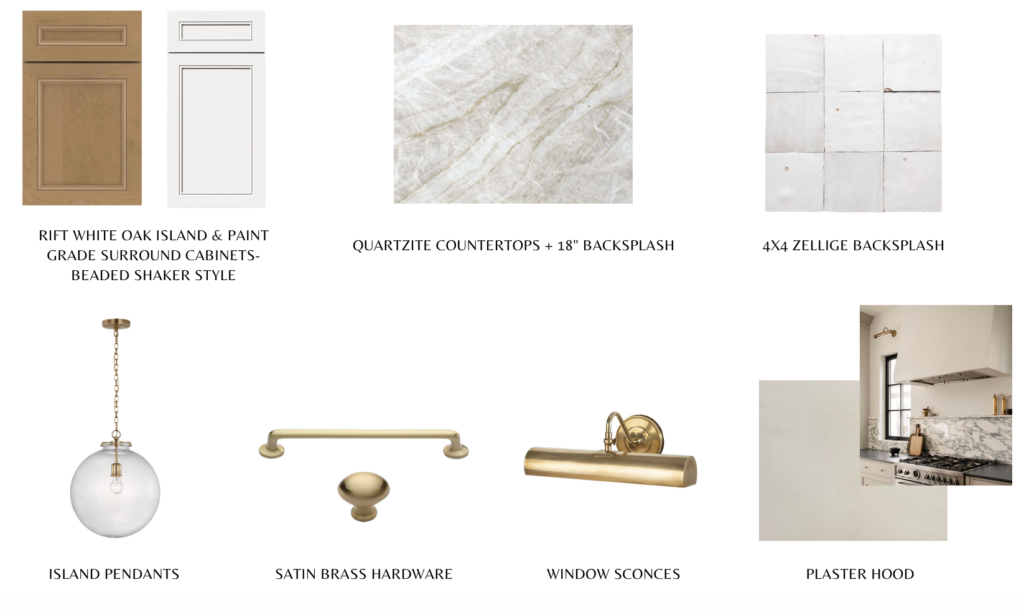
Why Material Selection Works Better in a Design-Build Process
One reason design-build performs so well across these service categories is that material selection is built into the process rather than delayed until construction pressure builds. Materials affect more than just appearance. They influence budget, lead times, installation sequencing, maintenance, and how the finished project performs.
In a kitchen, cabinet and appliance timing matters. In a bathroom, tile and plumbing coordination matters. In a full home renovation, finish continuity matters. In outdoor living and new construction, material planning can shape the schedule on a much larger scale.
When materials are selected within a coordinated design-build process, the project is less likely to run into avoidable delays or mismatches between design expectations and construction realities.
Why Homeowners Value a Single Point of Contact
Another major benefit of design-build is the homeowner experience itself. Significant remodels and custom builds generate constant decisions, and when those decisions are split across multiple companies, the homeowner often becomes the go-between.
With a design-build contractor, there is usually a clearer line of communication because one team is guiding the process from early planning through final construction. That does not just make the project more convenient. It often makes it more manageable, especially when the work is complex and the homeowner wants clarity rather than confusion.
For many homeowners, that simplicity is one of the most valuable parts of the design-build model.

Design-Build with Grant Maury Construction
At Grant Maury Construction, design-build is about creating a better project experience and a better finished result. By bringing planning, design, material selection, and construction into one coordinated process, we help homeowners make clearer decisions and move through major projects with greater confidence. Whether you are planning a kitchen remodel, bathroom remodel, full home renovation, outdoor living remodel, or new home construction project, our team works to make sure the vision and the build stay aligned from the beginning. If you want a more cohesive, better-managed path from concept to completion, Grant Maury Construction is ready to help you create a home that is thoughtfully designed, well built, and tailored to the way you live. Contact us today!
Design-Build Remodel Service FAQs
What is the difference between a design-build contractor and a general contractor?
A design-build contractor handles both the design and construction process under one coordinated team. A general contractor typically comes in after the design is already completed or after major decisions have been made elsewhere.
For homeowners, design-build often creates a more streamlined experience because layout planning, material selections, budgeting, and construction are aligned earlier in the process.
Why is design-build better for remodeling projects?
Design-build is often better for remodeling because it connects planning and construction from the beginning. That makes it easier to coordinate layout changes, finish selections, pricing, and feasibility before the project is underway.
This approach can reduce confusion, improve communication, and help avoid late-stage revisions that often happen when design and construction are handled separately.
Is design-build more cost-effective than hiring separate designers and contractors?
It can be, especially when the project involves many connected decisions. Design-build helps identify scope, materials, and construction needs earlier, which can reduce avoidable changes and budget surprises later.
The main advantage is not just lower cost, but better cost control. Homeowners usually get a clearer understanding of how design decisions affect the overall project before construction begins.