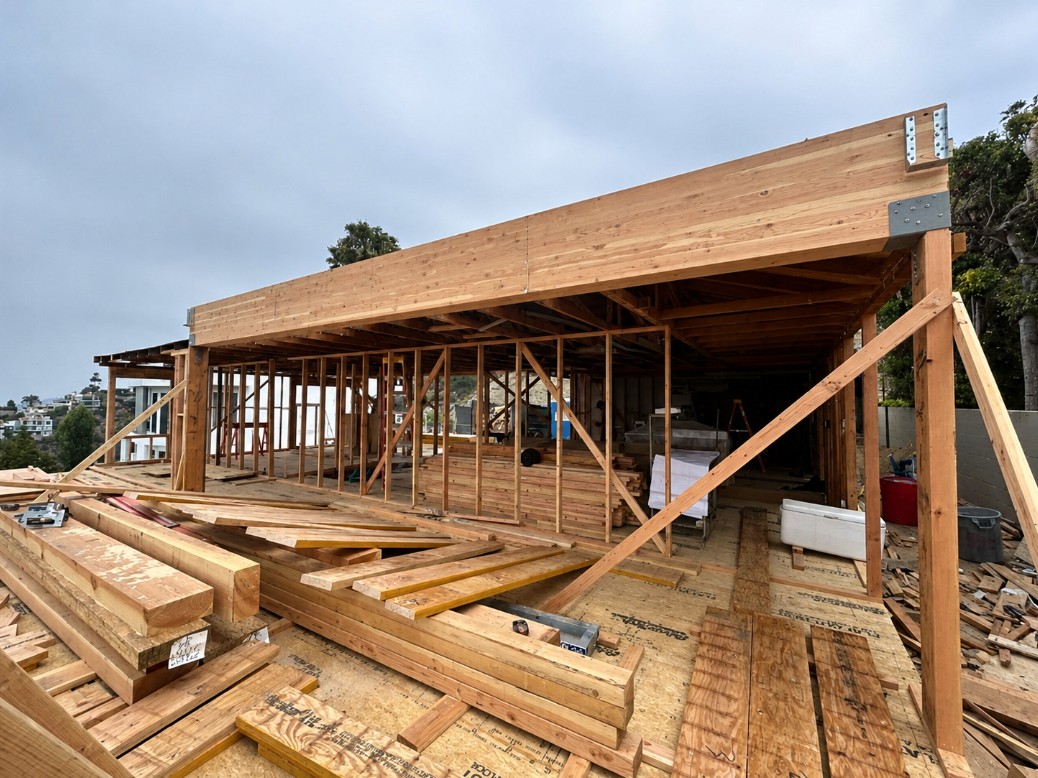
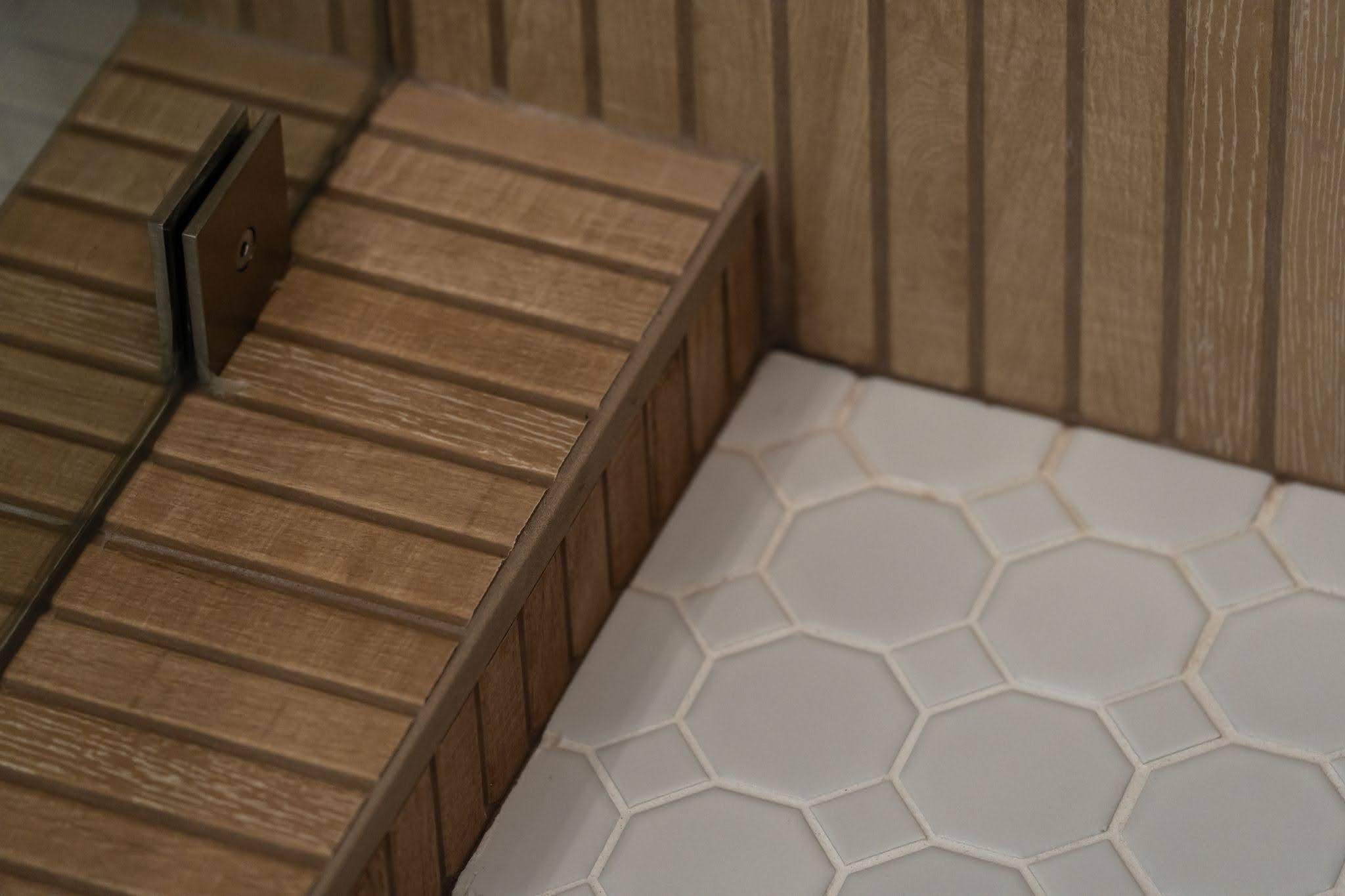
Click HERE to explore more about this project pictured above.
A well-planned living room should do more than look updated. It should feel comfortable, intentional, and connected to the way your family actually lives. At Grant Maury Construction, we approach every remodel with the understanding that the living room is one of the most used and most visible rooms in the home. It is where daily routines happen, where guests gather, and where overall style becomes immediately clear.
Many homeowners begin searching for modern ideas because their living room feels dated, too dark, too enclosed, or simply disconnected from the rest of the house. In some homes, the finishes are older. In others, the layout limits function, circulation, or visual balance. A thoughtful living room remodel can address all of those concerns at once, turning an underperforming area into a refined and highly usable space.
The strongest ideas are not just decorative. They involve layout, proportion, materials, lighting, built-ins, flooring, and the relationship between the living room and nearby rooms. That is why our design-build process focuses on both aesthetics and construction, ensuring the finished result feels elevated without losing comfort or practicality.
Start your Living Room Remodel with the Layout and Flow
One of the first priorities in any living room remodel is understanding how the space flows. Some living rooms feel cramped because furniture placement was never supported by the architecture. Others feel oversized but disconnected, leaving the room without focus or warmth. Good living room design begins with circulation, sightlines, and the visual anchor points that shape the entire room.
In many home remodels, improving the living room starts with rethinking the central arrangement. That may mean opening the space, improving transitions between adjacent rooms, or building more structure into the room design through millwork, ceiling detail, or a stronger focal wall. These choices create a more intentional style while also making the space feel easier to use.
When homeowners ask us for room ideas, they are often really asking how to make the living room feel larger, more cohesive, and more refined. The answer usually begins with function first, then layered design decisions that support that function.
Build a Clear Focal Point: Fireplace, Flowers, or a Visual Centerpiece
Every successful living room benefits from a visual center. In many homes, that is the fireplace. In others, it may be a feature wall, large windows, or custom built-ins. A fireplace remains one of the most effective ways to ground the space, especially when paired with simple detailing and balanced materials.
For a more modern direction, we often recommend clean architectural framing around the fireplace, minimal mantel profiles, and finishes that complement the rest of the home. This creates clean lines and avoids the overly heavy appearance that can make older living rooms feel outdated. A natural stone surround, painted millwork, or warm plaster finish can all elevate the overall style without overwhelming the room.
The goal is not simply to decorate around a fireplace, but to make it feel integrated into the full living design of the house. When done correctly, this central feature gives the living room clarity and presence.
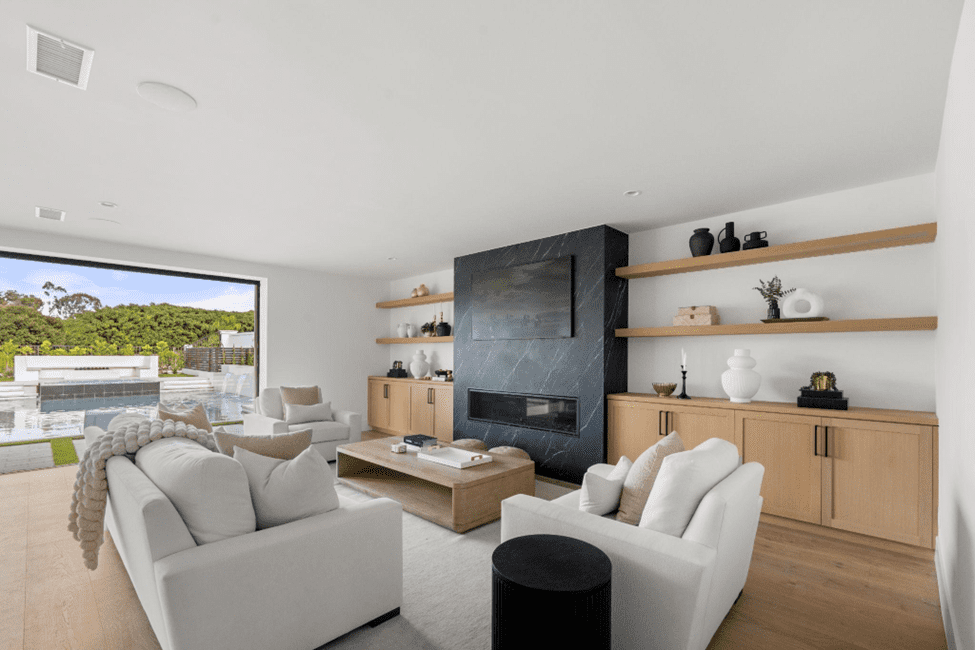
Click HERE to explore more about this project pictured above.
Use Color Schemes and Finish to Shape the Mood
Color selection has an enormous impact on the feel of a living room. One of the most effective ways to modernize the space is through a softer, more restrained palette. Many homeowners gravitate toward neutral colors because they create flexibility and allow texture, form, and natural light to do more of the work.
A room painted in warm white, soft beige, greige, or muted taupe can immediately make the space feel brighter and more current. Strategic paint choices also help unify the living room with nearby rooms, which is especially important in open-concept homes. Rather than relying on bold contrast, a cohesive palette supports a calmer and more sophisticated style.
At the same time, paint should not be selected in isolation. It must respond to flooring, trim, furnishings, and architecture. The best ideas are those where every finish works together to support the tone of the living room.
Upgrade the Rooms Floor for a Stronger Foundation
The floor is one of the most influential surfaces in any living room remodel. Older flooring can make the entire space feel tired, even if the walls and furnishings are updated. Replacing or refinishing the floor often delivers an immediate transformation.
In many projects, wood flooring is still the preferred direction because it brings warmth, character, and timelessness to the living room. Lighter tones can make the space feel more open, while medium tones often create a grounded, balanced effect. The right wood finish should complement the overall style of the home rather than compete with it.
A continuous floor running through connected rooms can also make the house feel larger and more cohesive. From a construction standpoint, that kind of continuity is one of the smartest ideas we recommend when homeowners want a more unified result.
Focus on Lighting and Layering
Good lighting is often what separates an average living room from a truly finished one. Many older living rooms rely on a single overhead fixture or inconsistent lamp placement, which leaves the space feeling flat. A more intentional remodel uses layered lighting to add depth, warmth, and function.
This might include recessed lights for general illumination, sconces for softer ambiance, and decorative fixtures that reinforce the desired style. The right placement can highlight architectural features, improve comfort, and make the living room feel more inviting at every time of day.
For homeowners looking for room inspiration, this is one of the most overlooked upgrades. Better light changes how every material, texture, and finish is experienced within the space.
Add Architectural Detail Without Overcomplicating the Room
Modern ideas do not require a stark or empty living room. In fact, the best results usually come from balancing simplicity with subtle architectural interest. Wall paneling, ceiling beams, custom shelving, plaster textures, or refined trim profiles can all add character without making the room feel busy.
The key is restraint. A classic profile can still feel current when it is proportioned correctly and used sparingly. This is especially true in living rooms where the goal is to create a clean but livable environment. Small details often make the biggest difference in the final style. Our designers and construction team work together to make sure those features are not just attractive on paper, but actually appropriate for the scale and architecture of the home. That coordination is a major part of high-quality remodeling living spaces.
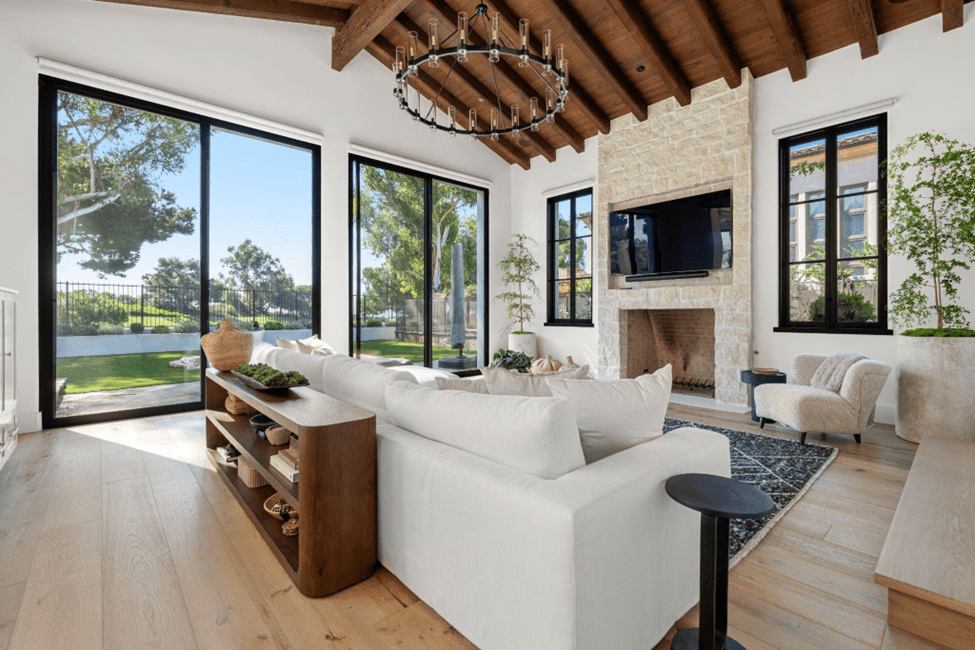
Click HERE to explore more about this project pictured above.
Make Remodel Decisions with Furnishing in Mind
Not every remodel decision in a living room needs to be purely structural. Sometimes the best ideas come from understanding what furniture will live in the space and then building the architecture around it. That may include adjusting outlet placement, wall dimensions, media niches, or the proportions of built-ins.
This is where many homeowners benefit from working with experienced designers. A successful living room design should support real use, not just a staged photo. Seating arrangements, rug size, table placement, storage needs, and visibility to the fireplace or television all affect how the room performs.
When we plan a remodel, we often think about how the final space will feel once everything is installed and furnished. That keeps the work grounded in practicality while still delivering strong visual style.
Bring in Texture and Organic Warmth
Texture is what keeps the space warm and inviting. Natural fabrics, plastered walls, stone, woven accents, and greenery all help soften the architecture and create a more balanced interior.
Even small touches matter. A vase of flowers, layered textiles, and subtle material contrast can shift the mood of the room. Texture allows a restrained palette to feel rich rather than flat. It also supports longevity, since these choices tend to age better than highly trend-driven finishes.
While some current trends lean heavily minimalist, we often guide homeowners toward a more livable version of modern style. The result is a living room that feels refined, comfortable, and lasting.
Think About the Living Room as Part of the Whole Home
The best ideas for a living room do not stop at the walls of that one room. The space should relate naturally to the rest of the home. That may involve consistent flooring, coordinated paint, aligned trim details, or shared material choices that connect the living room to adjacent rooms.
This is where true home improvement becomes more thoughtful. Instead of treating the living room as an isolated update, the project becomes part of a broader effort to improve the function and appearance of the entire house. That approach usually creates stronger value and a more coherent result.
Our designers pay close attention to those transitions because they are what make a remodel feel finished rather than pieced together. Good remodeling ideas work at both the room scale and the full-home scale.
Make the Space Feel Personal, Not Generic
It is easy to collect endless room ideas online, but not all of them belong in your home. The best living rooms feel tailored to the people who live there. That means the style should reflect your architecture, your habits, and the way you want the space to function over time.
Some homeowners want a more relaxed coastal feel. Others want sharper detailing and a more architectural look. Some want built-ins, while others want openness and flexibility. The right design does not come from copying generic inspiration. It comes from selecting the right ideas and applying them carefully.
That is why we view every remodel as a custom process. A successful living room should feel natural in your home, not imported from another one.
Modern Living Room Remodeling with Grant Maury Construction
At Grant Maury Construction, we see the living room as one of the most important spaces in the home because it shapes everyday comfort, first impressions, and long-term value. Whether you want to update the floor, rework the fireplace, improve lighting, or bring a more cohesive style into the house, our team approaches the work with both design sensitivity and construction expertise.
As a trusted living room remodel contractor, we help homeowners move beyond scattered inspiration and into a clear plan. Our designers and builders work together to create space that feels intentional, functional, and connected to the rest of the home. From finish selections to layout refinement, every part of the remodel is handled with care. If you are exploring Modern Living Room Remodel Ideas and want them translated into a real project, Grant Maury Construction can help you create a living room that feels elevated, personal, and built to last. Thoughtful home improvement begins with a strong plan, and we are here to guide that process from concept through completion.
Living Room Remodeling FAQs
How do I update an outdated living room with the latest trends?
Start by simplifying the space and improving the layout. Updated paint, better lighting, a refined fireplace, and more cohesive finishes can make a living room feel current without losing warmth or character.
The best updates focus on clean lines, balanced materials, and a style that fits the home. At Grant Maury Construction, we help homeowners choose improvements that feel modern but still timeless.
How much does it cost to remodel a living room?
The cost to remodel a living room depends on the size of the space, the scope of work, and the materials involved. Cosmetic updates like paint and flooring will cost less than structural changes, custom built-ins, fireplace work, or lighting upgrades.
Because every project is different, the best way to understand cost is through a detailed consultation. Grant Maury Construction can evaluate your goals and provide guidance based on your home and the level of remodeling involved.
How long does it take to remodel a living room?
The timeline ultimately depends on the complexity of the project. A lighter remodel focused on finish updates can typically be completed much more quickly than a project that involves flooring replacement, custom millwork, fireplace modifications, or electrical work.
That said, with a well-developed design plan and materials readily available, most projects are generally completed within approximately 2–3 weeks.
Material availability, permitting, and the overall scope can also affect timing. Grant Maury Construction provides a project-specific timeline so homeowners have a clear understanding of what to expect before work begins.
Where do you start when remodeling a living room?
The best place to start is with layout and flow. A successful living room remodel begins by understanding how the space functions, how people move through it, and where the main focal points should be.
From there, the design can address circulation, sightlines, transitions to nearby rooms, and architectural features that make the room feel more cohesive. At Grant Maury Construction, we begin with function first, then build the design around how the space should look and work.